The Commons Project
A framework built for organizational change in higher education.
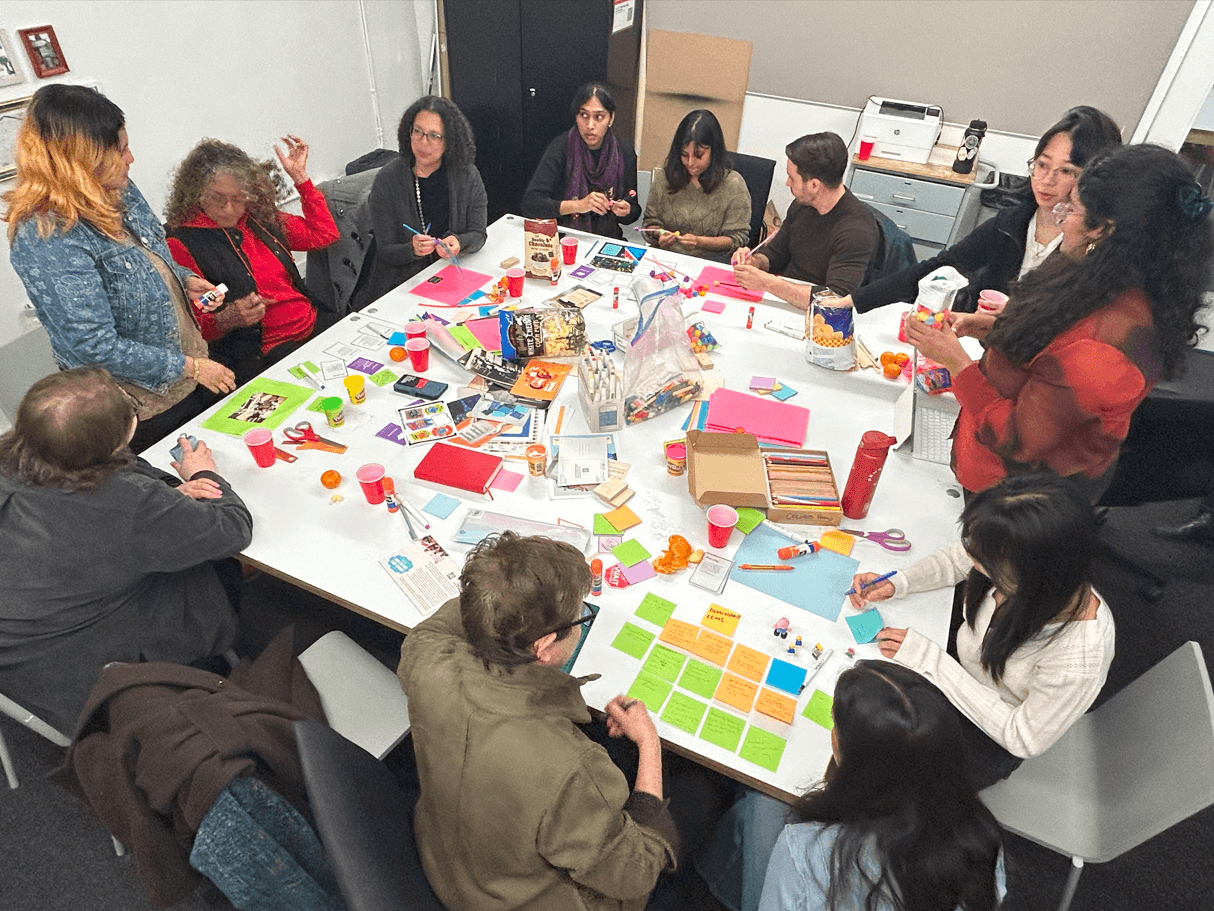
There are unspoken gaps in trust, inclusion, and equity within higher education.
International grad students find it challenging to shift towards U.S.-based systems.
Education goes hand-in-hand with trust.
The Commons Project focuses on using trust as a lens, to explore systems in higher education.
The Research
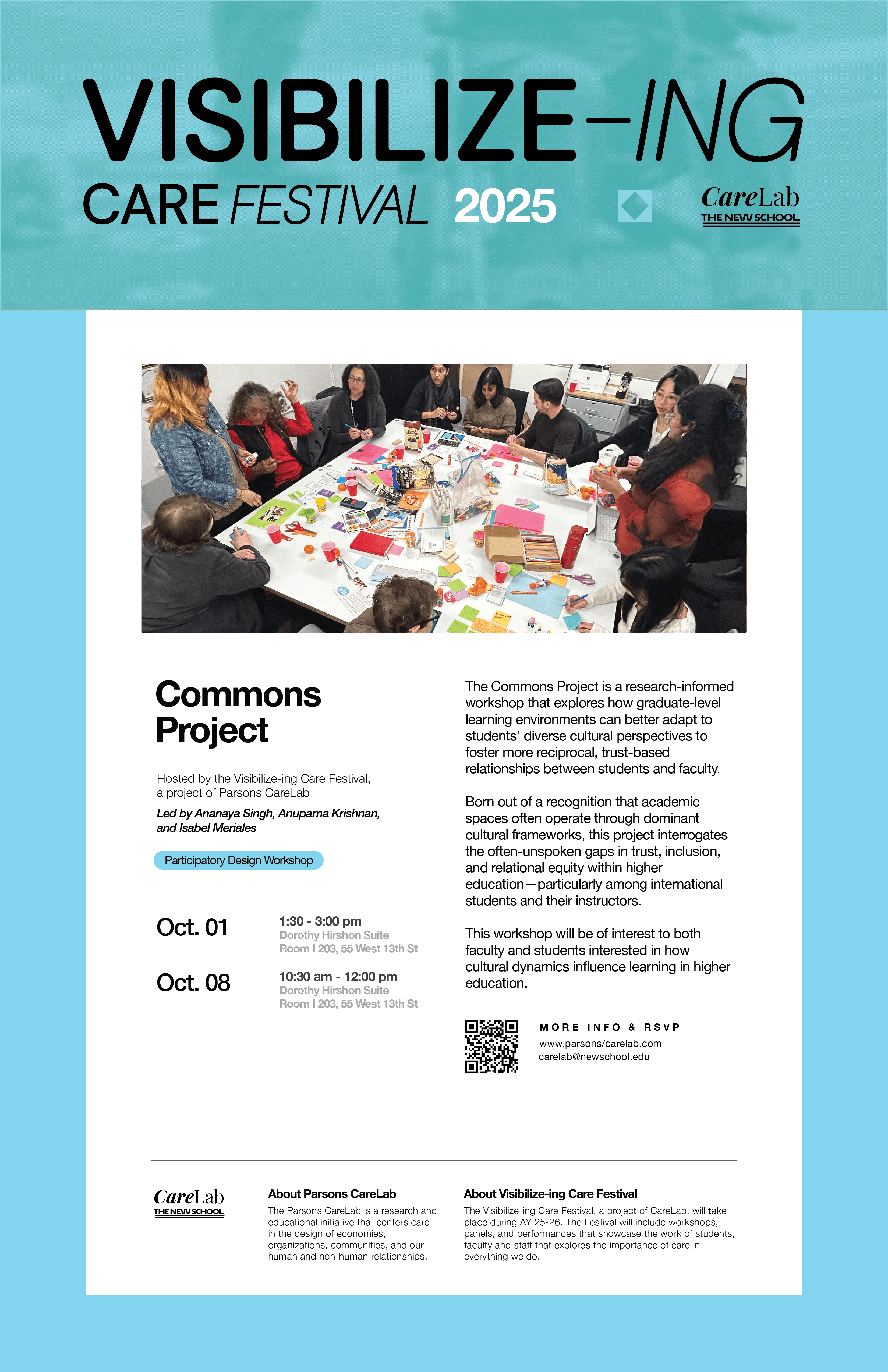
Desktop research, interviews, async responses, and workshops (especially) helped informed the project.
80+
Articles &
Publications
16
Student, Faculty, &
Expert Interviews
25
Student & Faculty
Async Responses
4+
Participatory Workshops (ongoing!)
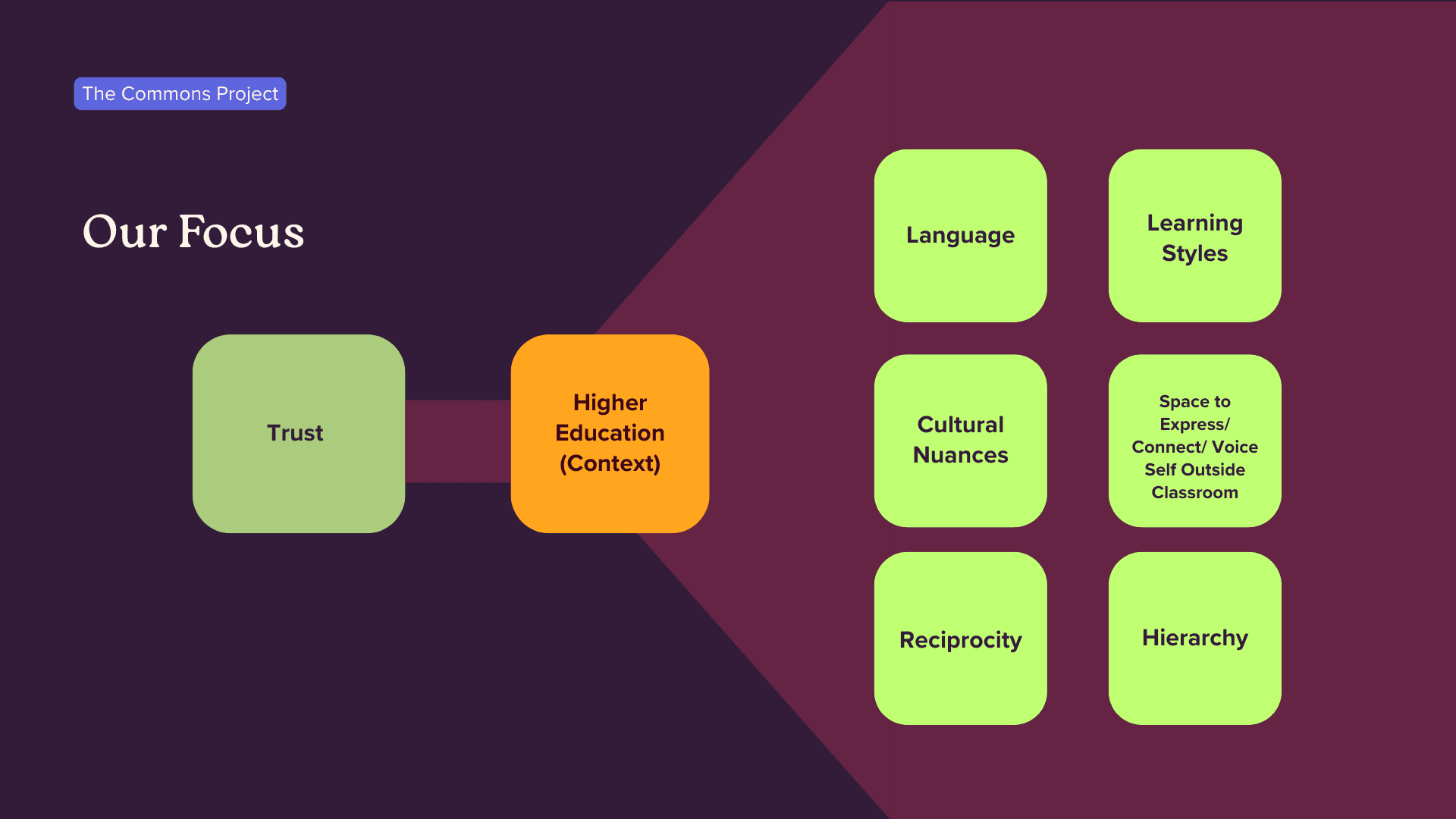
From conversations and research with students and faculty, we found that trust is built on a few factors in the academic space, and this informed our approach.
Data through Participatory Practices
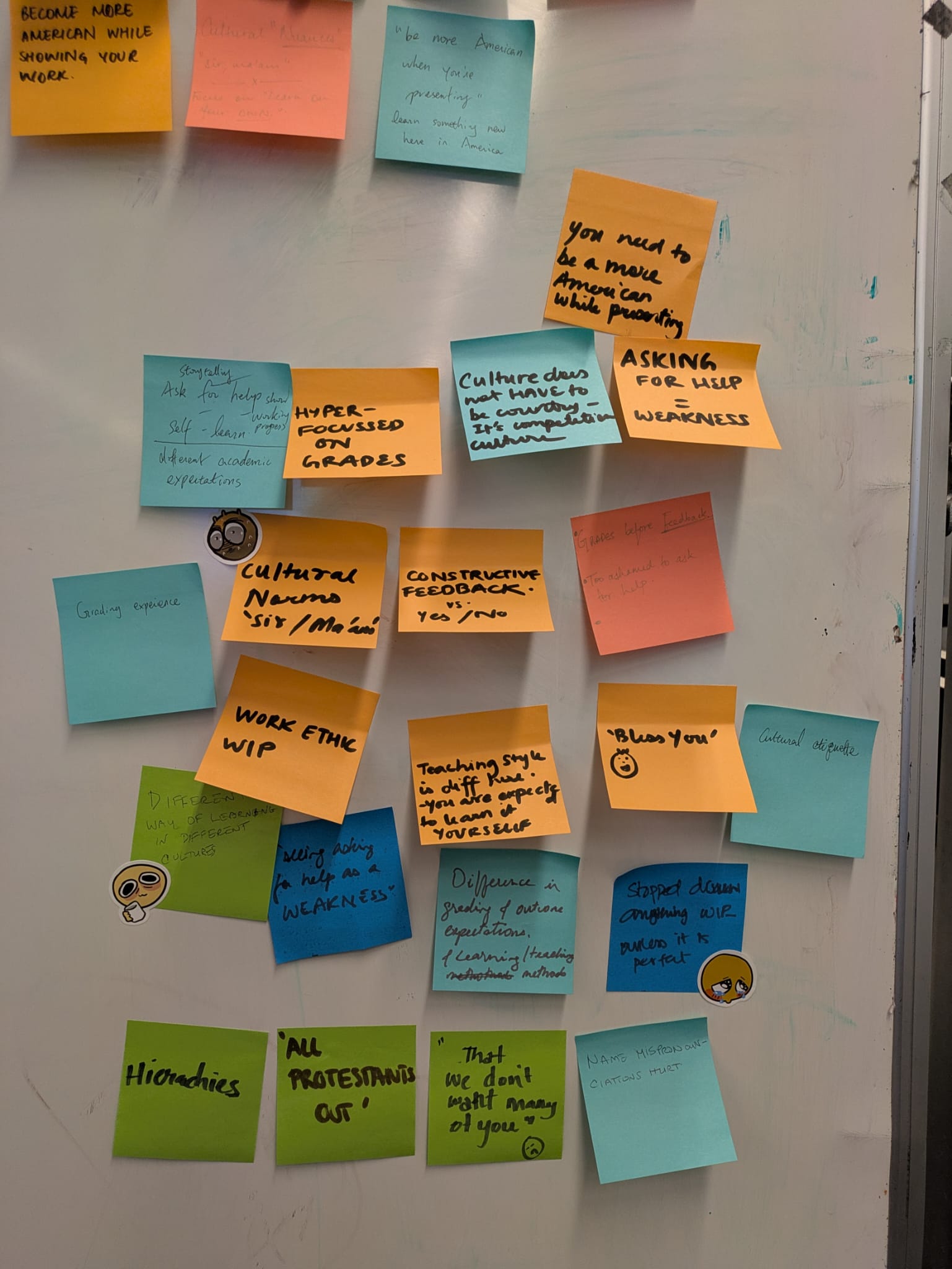
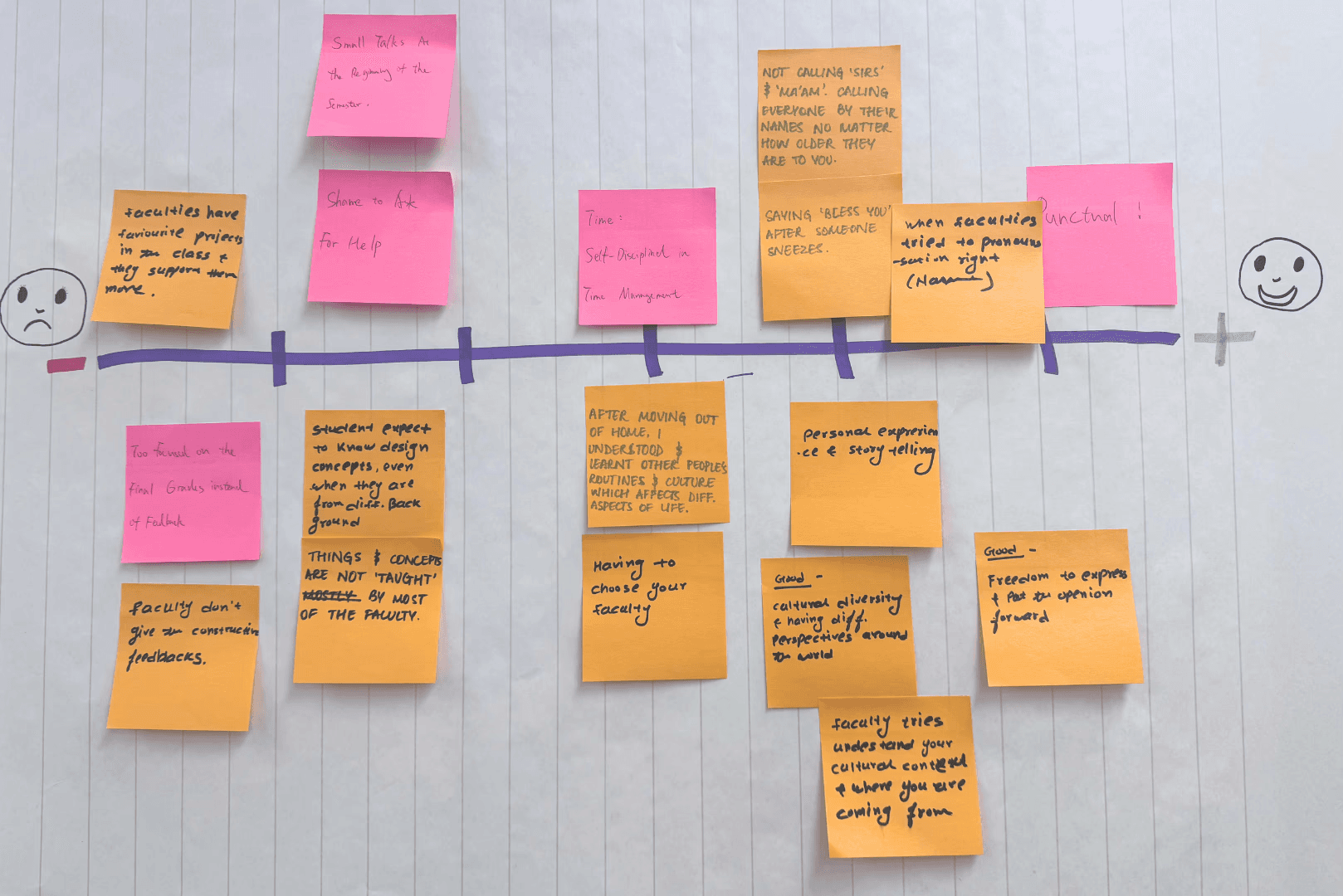
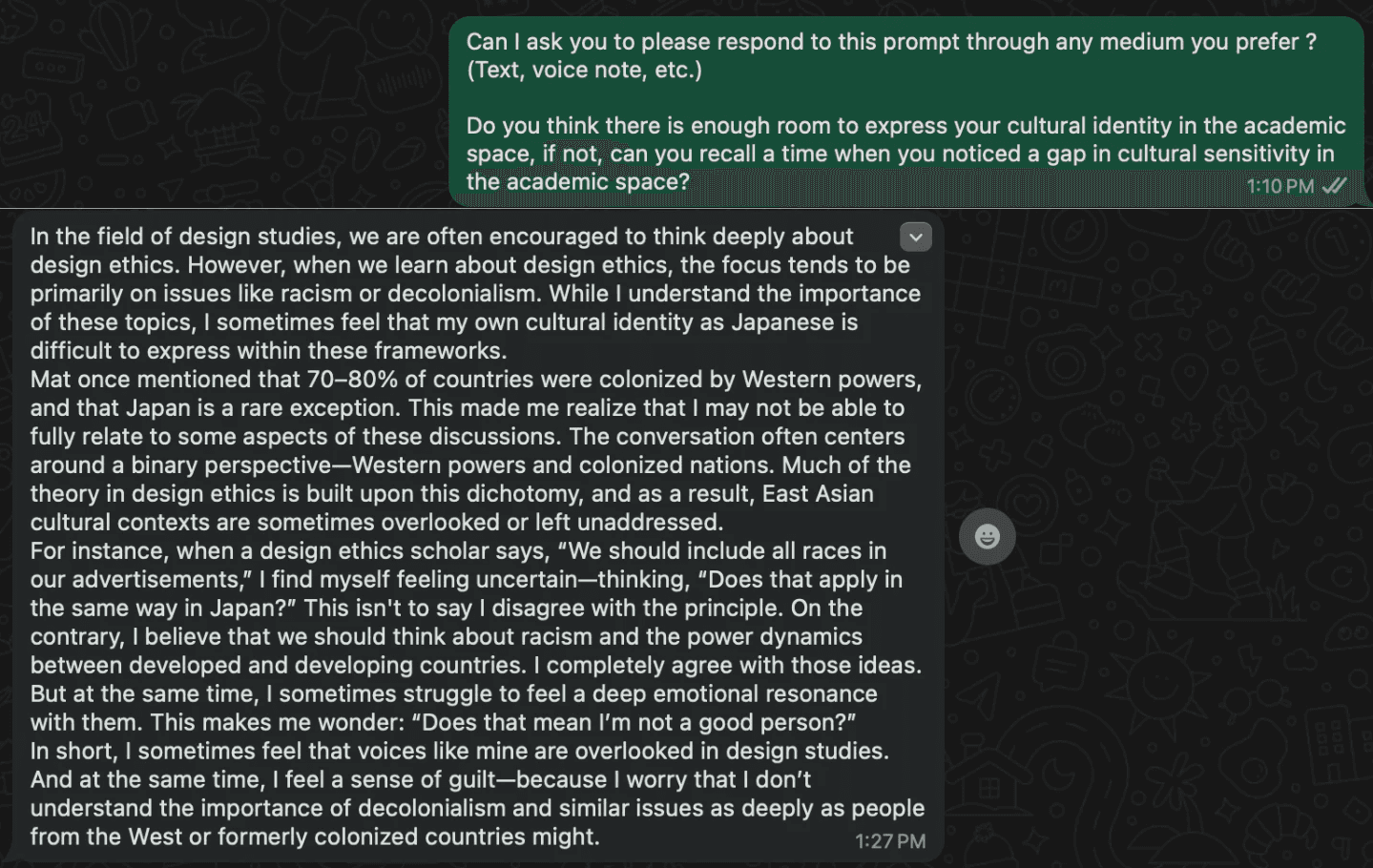
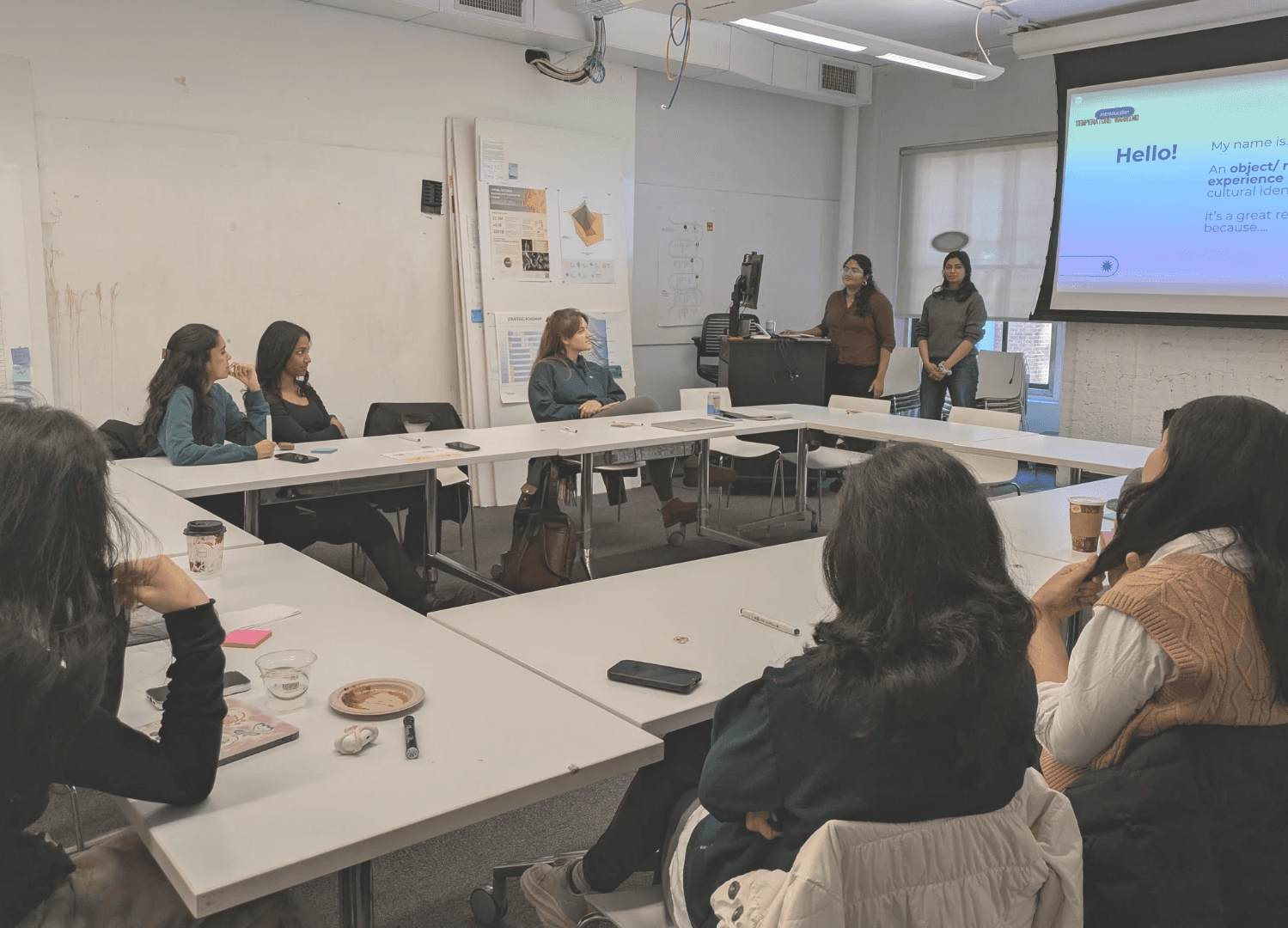
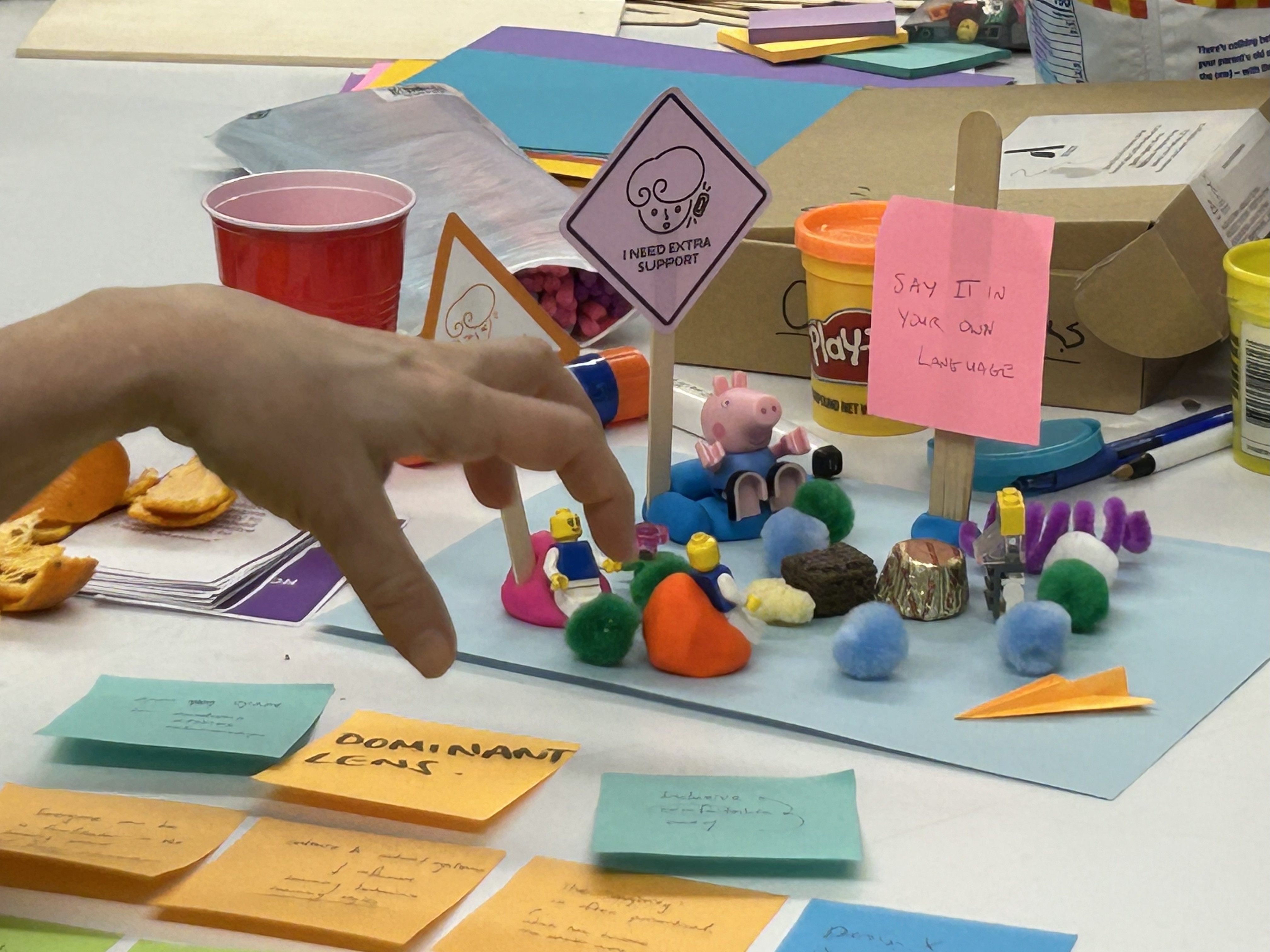
Workshops and async responses were conducted to understand how students and faculty felt about trust and their experiences in higher education. Both positive and negative responses were noted, and then synthesized after.
Insights
For synthesis, three main insights were gathered.
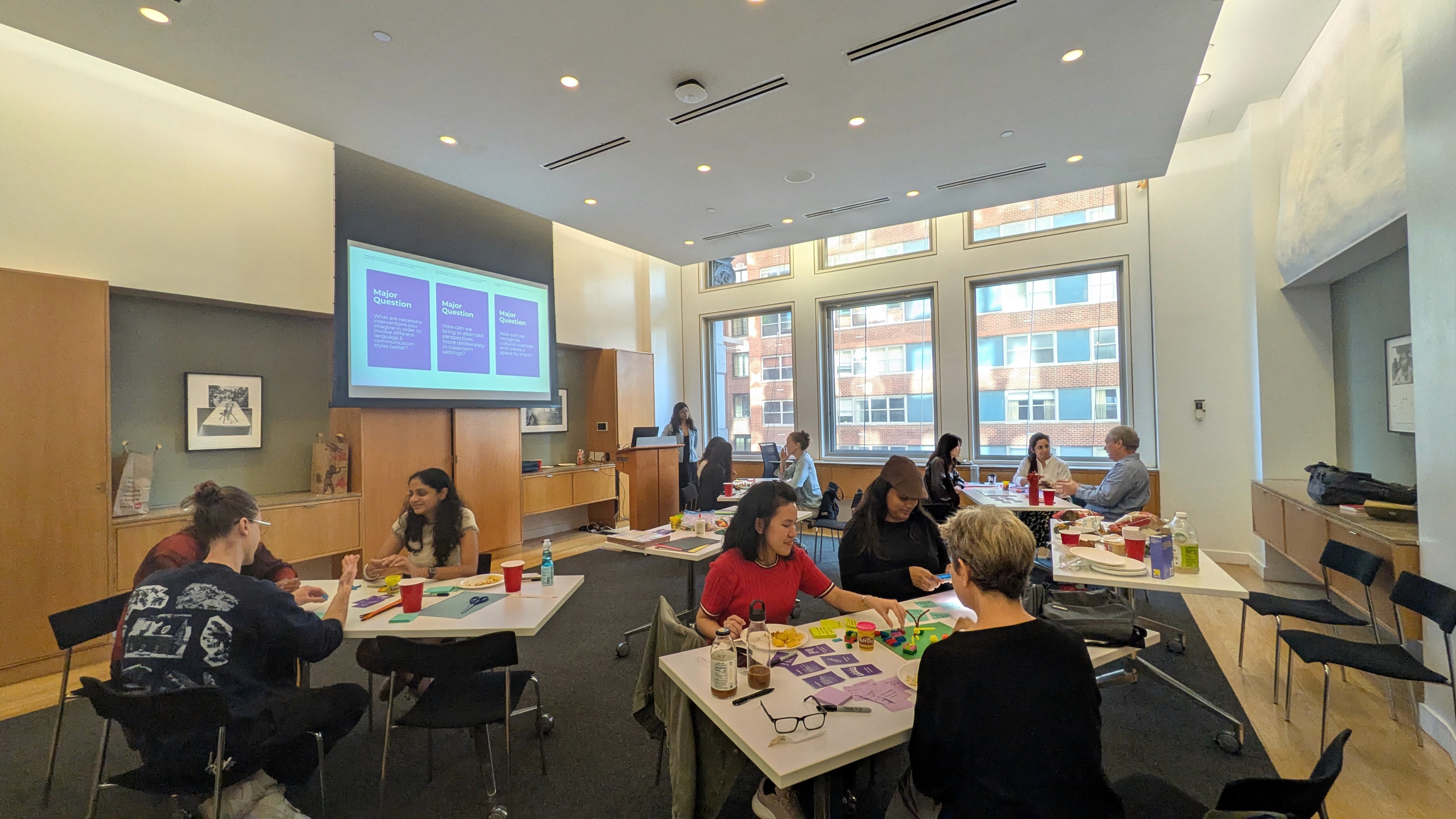
Idea Generation through Workshops
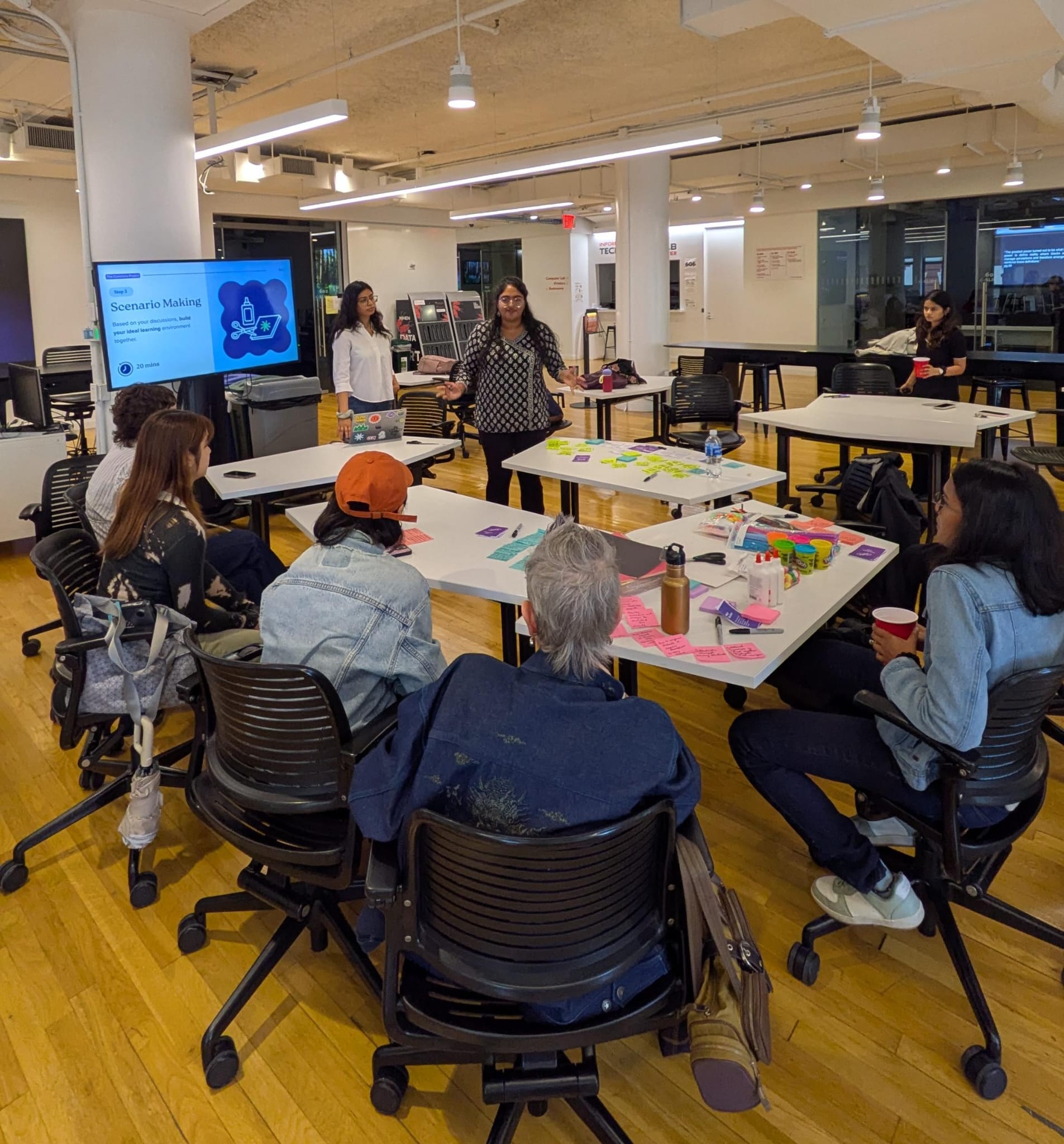
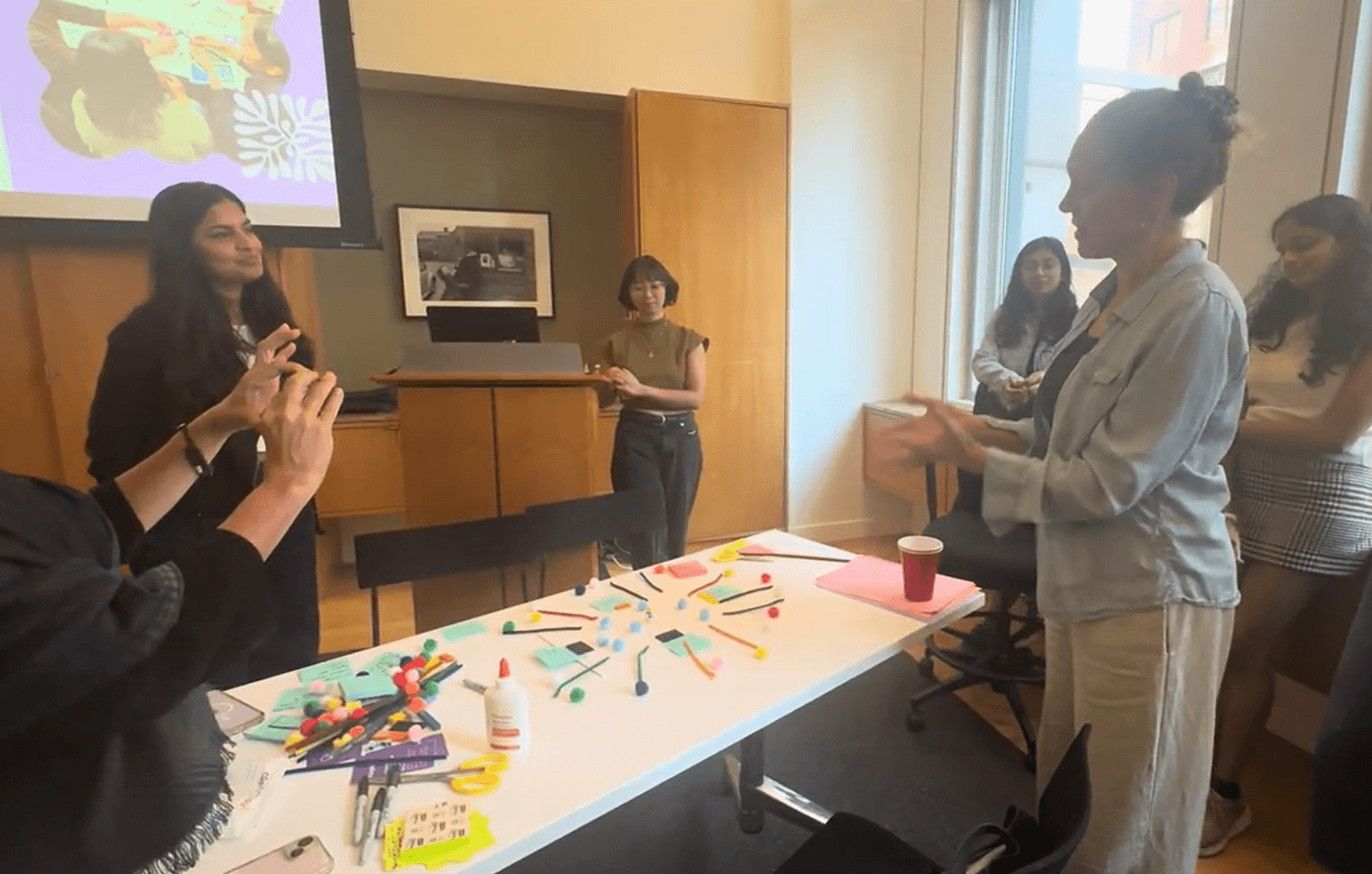
Through the insights, a set of generative workshops was done with both students and faculty. It invited students and faculty to co-create and ideate their ideal learning-teaching environment together.
Insights: Archetypes
Four main archetypes were also mapped encapsulating the different responses from our project. From Unaware to Active, the map shows how the participants act, and how aware are they about the different nuances.
Active
Awareness
Action/Agency
Unaware
Passive
Striving
The Commons Project: A Human-Focused Framework
How do we invite participants to move towards active change? The Commons Project was then structured to four steps, focusing on meeting participants where they are.
Our Space
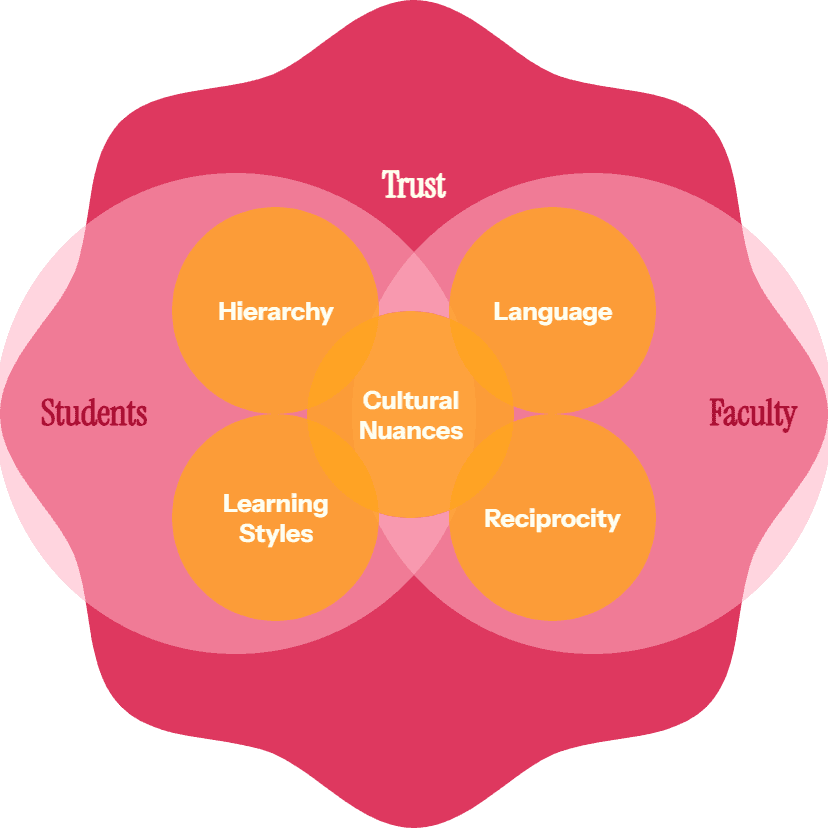
It centers itself in the middle, for students and faculty to find grounding with one another, and to introduce a sense of cultural awareness in the space.
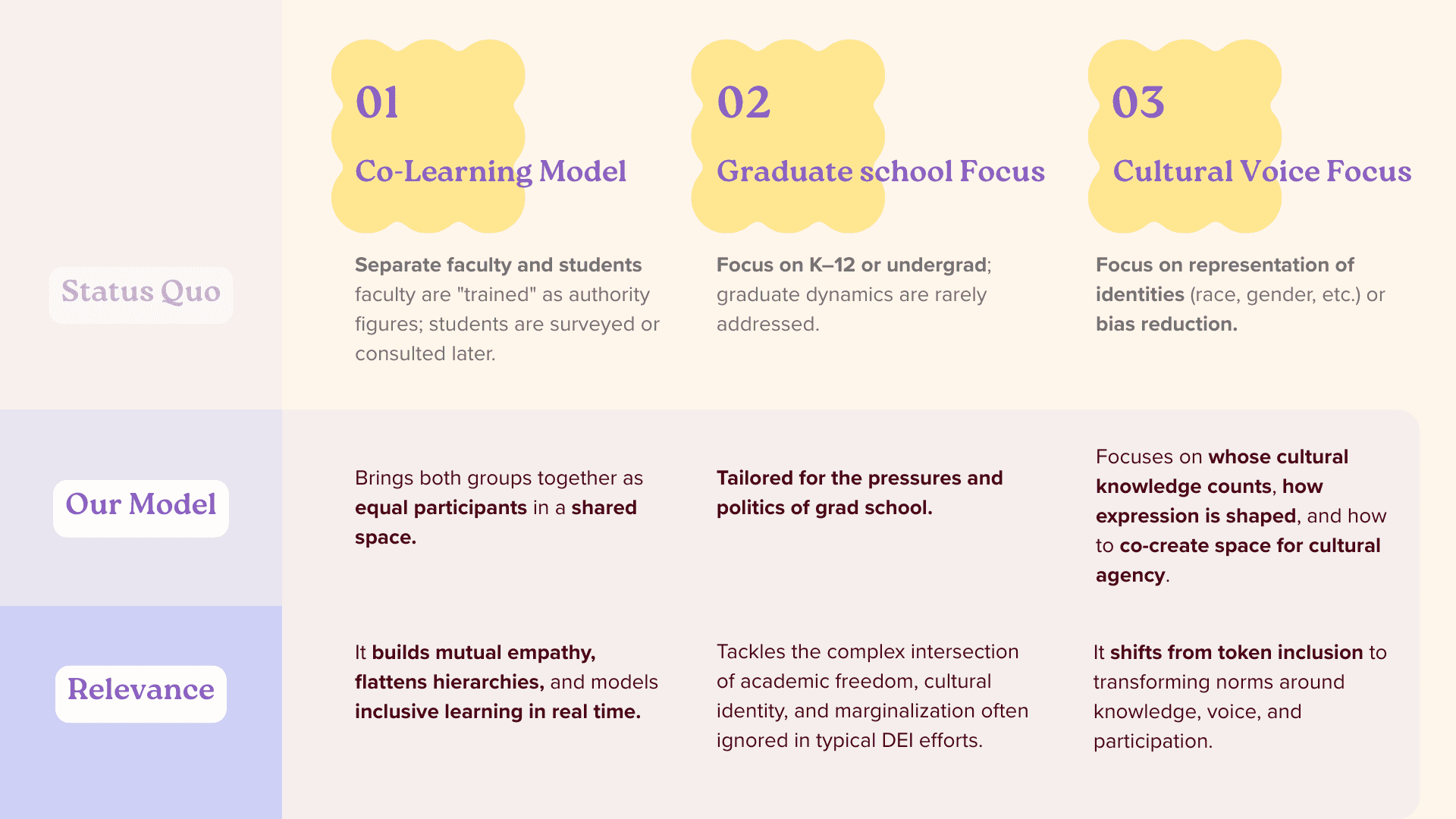
How It Stands Out
The Commons Project looks at participants in an equal space, focusing on the pressures and nuances of graduate school. It allows for cultural agency to be part of the picture, in order for teaching and learning to improve in the higher education system.
Reflections & What's Next
After being able to work with Parsons School of Design to prototype the workshops with both students and faculty, it was clear that The Commons project had potential in graduate schools and allowed for the participants to further reflect on how higher education is being practiced in the U.S.
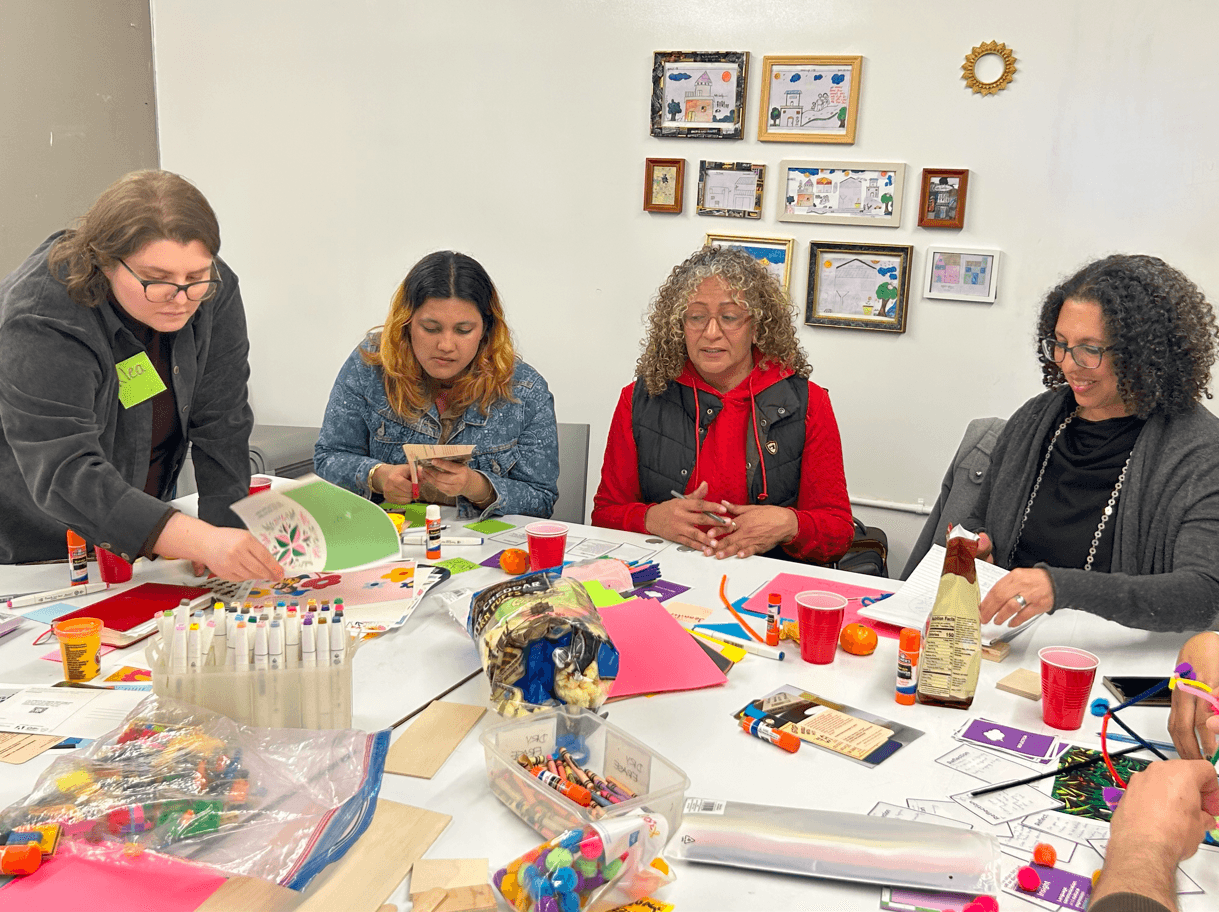
Going beyond reflection, The Commons Project is a structured framework that initially gauges participants on where they lie in the Action-Awareness space, and offers tailored initiatives on their ability to enact change. Compared to other student or faculty initiatives, this combines experiences from both students and faculty, inviting them to dynamically co-create not just ideas, but potential, strategic solutions for the future of learning and teaching.
Some questions to consider based on scalability, sustainability, and resiliency:
Scalability
How does our project expand its reach or impact across contexts and geographies?
Sustainability
How does the project remain viable and relevant over time economically,environmentally, and socially?
Resiliency
How may the project withstand disruptions and adapt to unexpected change?